CleanBee
Industry
Cleaning service
Client
UI/UX Designer, Developers, Stakeholders
Service
Figma, Miro, Google Analytics, A/B Testing
Date
November 2024
CleanBee is a startup platform operating on an "Uber for cleaning" model. Its goal is to provide clients with an easy way to book professional cleaning and cleaners with a flexible source of income. When I joined, the company had a functioning but flawed product that hindered this mission.
The Strategic Challenge
Why was this a critical business problem?
A marketplace platform can only survive if it effectively attracts and retains both sides. The existing UX undermined both of these pillars, making it impossible to scale.
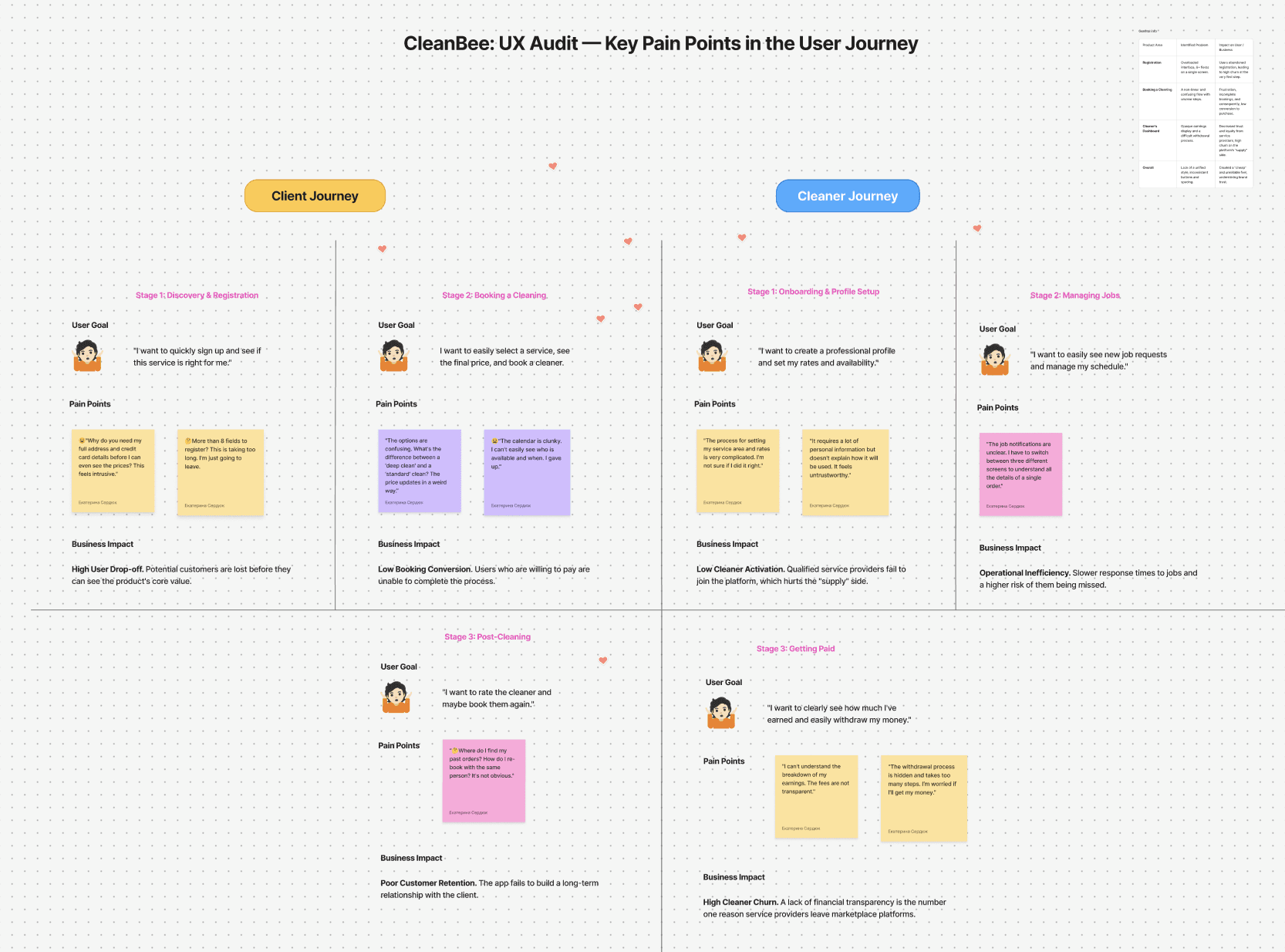
Goals & Success Metrics
My Design Process
I divided the project into three key phases to systematically address the challenge.
Phase 1: Designing the Core Experiences
The foundation of the redesign was the creation of a unified visual language and a library of components to ensure consistency and speed up development. Based on this foundation, I iteratively redesigned all key flows within the app.
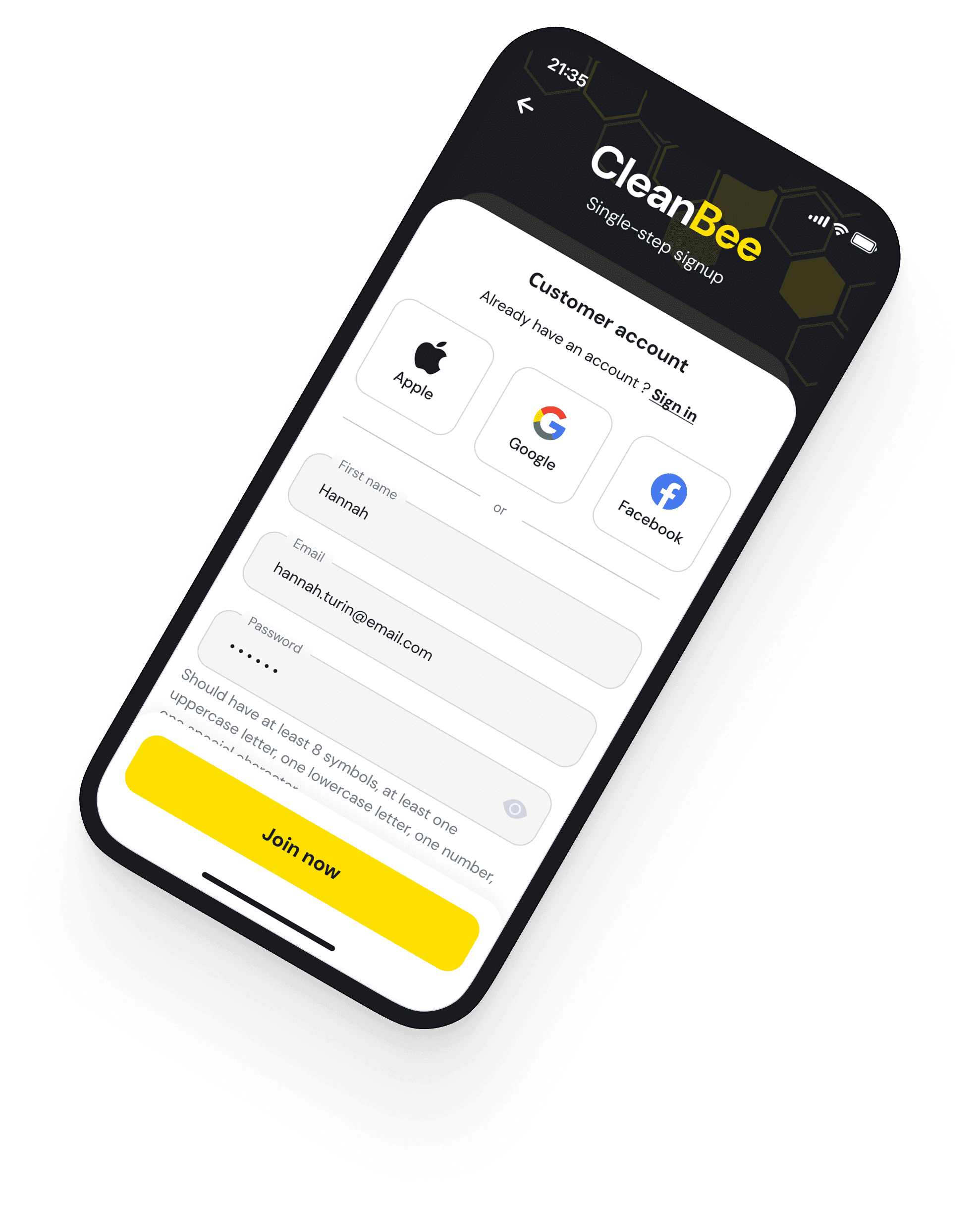
Onboarding & Registration: I replaced the long form with a light, step-by-step process to reduce cognitive load and increase conversion.



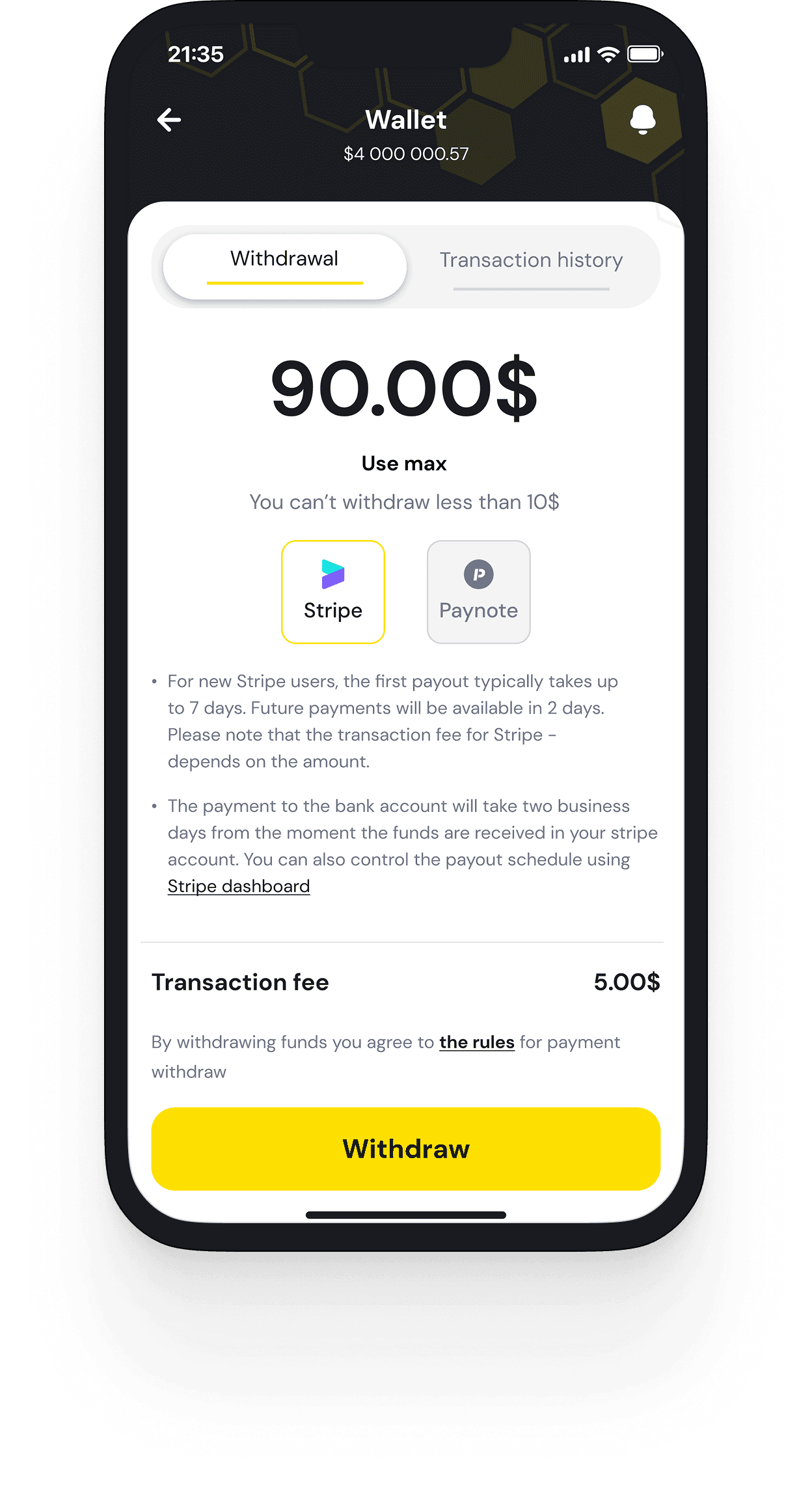
Tools for Cleaners: I designed a hub for cleaners focused on trust and control: from transparent financial management to flexible profile and rate customization.
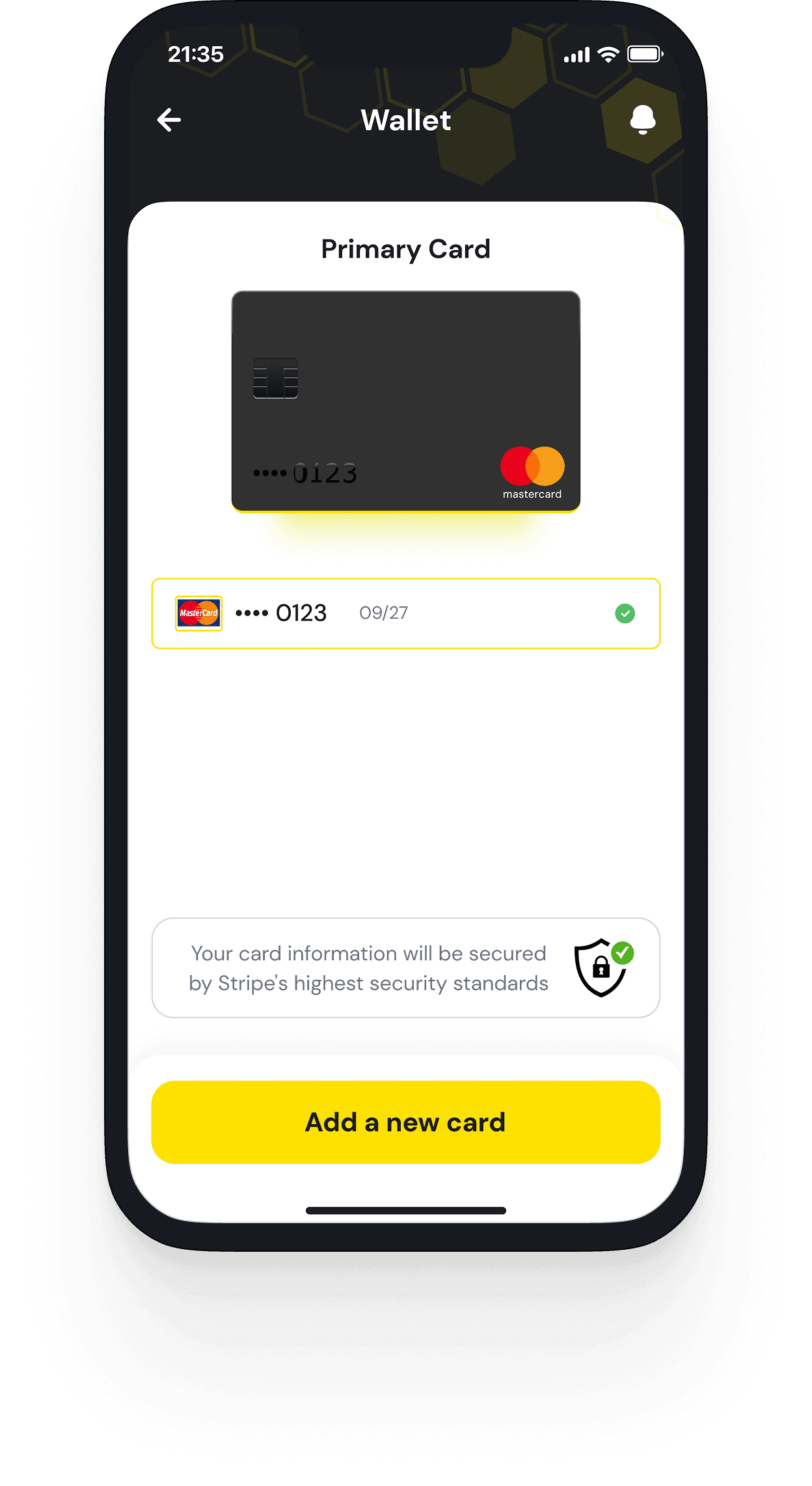
Money management
A complete redesign of the card and withdrawal management screens. I added visual emphasis, simplified card removal, and implemented skeleton loading states to make the app feel faster, even on slow connections.


Cleaner's Profile & Settings
I structured the profile using clear icons and logical blocks. The "Rate & Terms" screen was completely overhauled, allowing cleaners to easily manage their rates, schedules, and service areas.


Cleaning Calendar
The calendar became more than just a grid; it's now an interactive hub for managing bookings. I improved the visual design and added an intuitive event creation feature.


Booking & Communication Flow: I completely redesigned the job acceptance flow by introducing an intuitive swipe gesture and integrating the chat with order information.
Invitation popup
This is a critical screen. I designed an intuitive swipe gesture to accept a job, which is faster and more reliable than a simple tap. All key information is visible at a glance, and "Skip" and "Chat" options provide cleaners with flexibility.


Chat and Order Information
I combined the chat and order details onto a single screen. This eliminated the need to switch between sections and significantly sped up communication between clients and cleaners.


System Popups
I developed a tiered system of update popups (a gentle reminder, a strong recommendation, and a mandatory block) to manage user behavior based on the update's criticality.


Phase 2: Expanding the Ecosystem (Creating the Website)
I designed a responsive website that served two purposes: it acted as a "business card" for investors and partners, and as a tool for acquiring clients and cleaners. Conversion increased by 30%.
Main Screen & Cleaner's Card


Main Screen & Cleaner's Card
Mistake Screens
*These are short prototypes showcasing 2 main user flows for booking a cleaner.


Adaptive Design
Phase 3: Creating Marketing Materials (Flyers, Mail)
I designed marketing materials that maintained a consistent visual identity, ensuring brand cohesion across all touchpoints.
Flyers



Facebook Cover


Phase 4: Validation & Handoff
Validation via prototypes became a key stage. I conducted 5 moderated usability tests with the new flows.
100% of users successfully completed the booking task, noting the new process was "much simpler and clearer."
Cleaners highly praised the new financial section, calling it "transparent."
The final outcome was a developer-ready package: an interactive prototype, a UI kit, and detailed specifications.
Results
100% task completion rate across 5 moderated usability tests — users completed the full booking flow without assistance or errors.
"Much simpler and clearer" — direct quote from usability test participants on the new onboarding flow. Onboarding was redesigned from a single overwhelming form into a progressive, step-by-step process.
Reduced drop-off by 15% through simplified registration and cleaner-focused financial tools.
Supply-side trust increased — cleaner financial hub rated "transparent" by all test participants, directly supporting retention of the platform's service providers.
Developer-ready handoff delivered — complete UI kit, interactive prototype, and documented specs, eliminating back-and-forth with the dev team.
Conversion up 30% on the marketing website after restructuring the booking flow into sequential steps.

"Kateryna proved to be dependable, detail-oriented, and capable of managing multiple design tasks efficiently. She worked both independently and as part of a team, consistently meeting deadlines and maintaining a high standard of quality."
Dmitry Kruglov, CTO, Syzygy AI LLC
Business Impact
1. Scalable product foundation. Delivered a component library and design system that enables the team to ship new features 2–3x faster without UX debt.
2. Reduced business risk. Validated the redesign with 5 users before development — preventing expensive mistakes and ensuring product-market fit at the UX level.
3. New acquisition channel. Designed and launched a responsive marketing website, creating the company's first organic growth and investor-facing touchpoint.

